If you have always dreamt of having a lush green garden but don’t want to waste your valuable time watering and maintaining it. We’ve got your back!
Artificial grass gives homeowners a green lawn all year round with little work. It increases the aesthetics of your lawn and makes it green and vibrant without hard work, regardless of weather conditions.
In this guide, you’ll learn about the amazing world of artificial grass, a step-by-step process to install it, and expert tips for maintenance. In short, everything you need to know about artificial grass is in one place.
Additionally, we’ll also share some crucial information about a reliable and trusted name for garden supplies in South Morang to make your journey effortless and hassle-free.
What Is Artificial Grass?
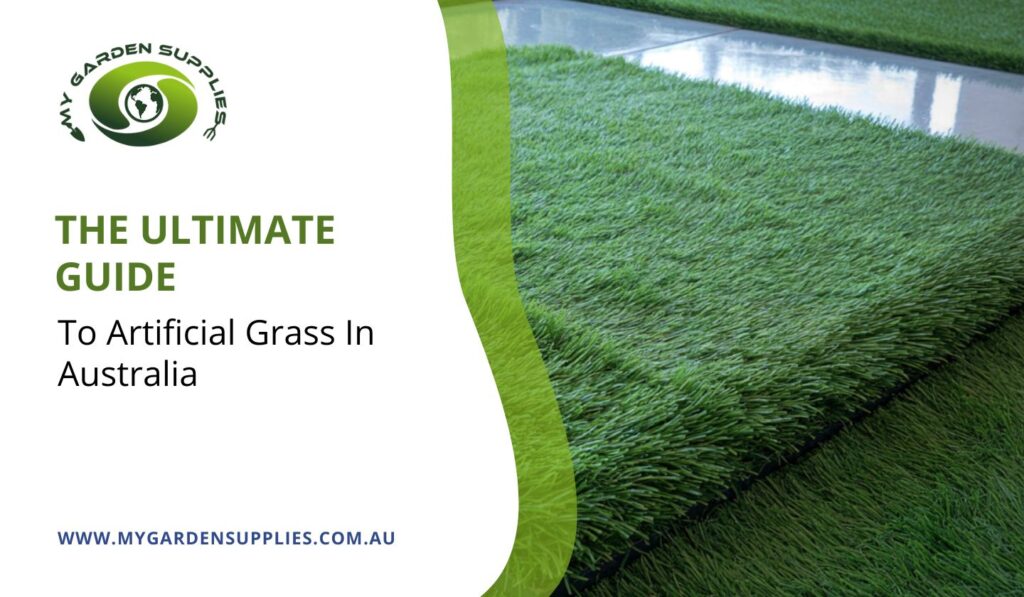
Artificial turf, also called synthetic grass or fake grass, is a man-made lawn made from plastic fibres like polyethylene or nylon. It mimics real grass but needs no water, mowing, or sunlight.
Benefits Of Artificial Grass
Minimal Maintenance: Artificial grasses need no watering, mowing, or other maintenance, saving your precious time.
Saves Water: Unlike real grasses, this fake turf saves water. This makes it an eco-friendly option for homeowners.
Highly durable: High-quality synthetic grasses can withstand harsh weather conditions and heavy use.
Pet-Friendly: These grasses are made of high-quality, non-toxic materials that offer a hygienic environment for pets.
Step-By-Step Installation Process
- Before anything, clear old grass, weeds, and junk to 50-100mm deep with a turf cutter. Importantly, add a 1-2% slope for water flow during storms.
- After that, put down weed fabric. Next, add 50-75mm crushed rock. Finally, pack it firm with a rented plate compactor, which runs $40-60 a day.
- Now, unroll the turf from the straight side. Let it sit in the sun for a few hours to relax. Then, cut extra with a sharp knife right to the base.
- Also, join edges with tape and glue. Secure with nails every 20-30cm. Last, brush in 5-10kg silica sand per square meter to stand up fibres and help drain.
- For upkeep, brush weekly with a stiff broom against the pile. Additionally, rinse monthly to clear dust. Always pick up pet waste fast.
Why Choose Artificial Grass?
Artificial grass fits Australia’s hot summers and changing weather. For example, it cuts water bills because you skip irrigation. Plus, it stays green without mowing or fertiliser. Pet owners like its strength against urine and digging. Meanwhile, families enjoy the clean play space free of mud. In addition, it raises home value with easy care, especially for city yards or balconies.
Get Your Dream Garden With My Garden Supplies & Concrete
Ready to achieve that dream garden without the hassle? Transform your Australian backyard today with premium instant grass from My Garden Supplies.
We’re a top-notch Concreters in Whittlesea stocking premium turf varieties, plus soil preps and tools for seamless DIY installs.
Our budget-friendly artificial grasses save up to 15%, and free expert advice on matching turf to your climate helps to upgrade your yard effortlessly.
Whether you’re a tradesperson or a DIY enthusiast, we’re here to guide you in choosing the right products for your project.
Contact My Garden Supplies & Concrete today and build the garden you always dreamed of!
Frequently Asked Questions
1. What is the cost of artificial grass in Melbourne 2026?
Artificial grass typically costs somewhere between $10 to $30 per square metre for the turf supply alone. However, the cost also differs depending on the variety, installation costs, etc.
2. Is artificial grass good for pets in Melbourne?
Absolutely, good-quality artificial grass is a smart choice for pets in Melbourne. It offers a durable, mud-free, hygienic and pest-free surface that requires minimal maintenance. This makes it ideal for busy owners who want to experience lush greenery without making much effort.
3. How long does fake grass last in Victoria?
Artificial grass usually lasts around 15 to 20 years, depending on factors like the quality of the grass, maintenance, usage and environmental factors like UV exposure.